
Interplay: When Evans Took Command

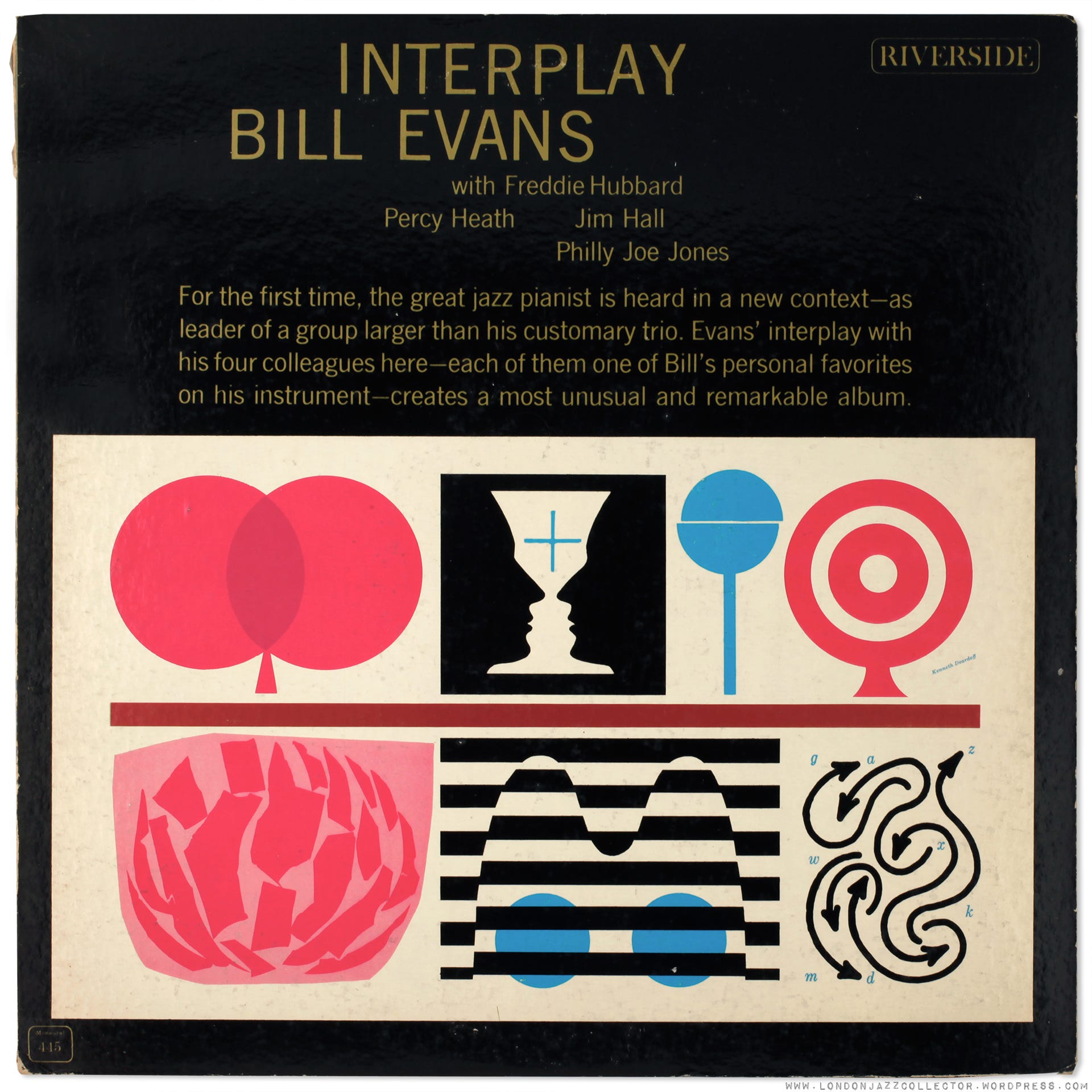
Interplay is an album by Bill Evans, released by Riverside Records in 1963. The lineup features Bill Evans on piano, Jim Hall on guitar, Freddie Hubbard on trumpet, Philly Joe Jones on drums, and Percy Heath on double bass.
Interplay arrives roughly three years after the recording of Kind of Blue, where Bill Evans, alongside Miles Davis, was the true protagonist: the only white musician in an all-Black band, and the one Miles repeatedly credited as the decisive element behind that record’s success.
It can be said without hesitation that Interplay marks a pivotal moment in Evans’ career. Beyond being a stellar album, it definitively establishes him as a bandleader. One can clearly hear how far he had come from the delicate, introspective piano of Kind of Blue, broadening his musical horizons and developing a sound that sits closer to hard bop, with a more adventurous and assertive language.
The surroundings play their part. Surrounded by exceptional musicians, Evans must in some ways set aside his “romantic” style to properly frame Freddie Hubbard’s thrilling trumpet, which, when Hubbard lifts the horn, is capable of stealing the show from anyone.
Interplay also follows Undercurrent, one of Evans’ best-known albums, recorded as a duo with Jim Hall, who again keeps him company here. The chemistry between the two is unmistakable: they know each other deeply, they spar and converse, and their mutual respect runs through every bar of this recording.
The original LP contains six tracks. The CD reissue adds an alternate take of I’ll Never Smile Again, already present on the album, as a bonus track. Of all seven versions, only Interplay bears Bill Evans’ signature as a composer.
The fact remains that Evans’ Riverside releases are a genuine treasure of jazz, both for the quality of his sound and for the way they were engineered and reproduced, especially on headphones.
an underrated moment where he branched out- Otherwise he had mostly done trio records and sideman recordings.